
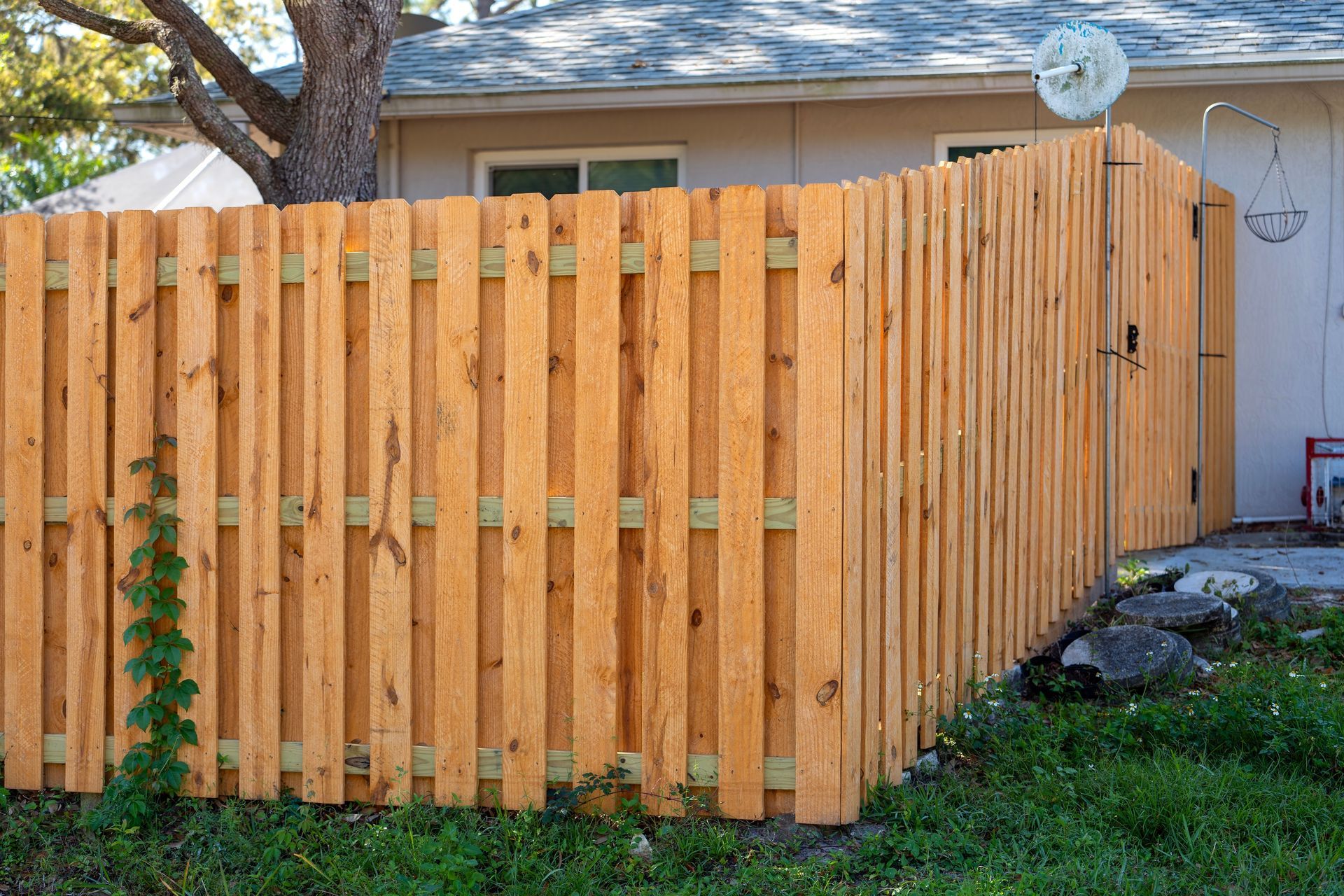
Posts Set Right Before Panels Go Up
Fence installation and repair in Framingham for leaning sections, property line boundaries, and residential lot perimeters
Suburban lots in the Framingham and Wayland areas are often larger parcels where the property line does not follow an obvious physical boundary, and a fence placed even a few feet off the survey line creates a dispute that costs far more to resolve than a proper pre-install check. Peak Blue Services LLC installs new fences and repairs existing ones across Framingham, confirming the property boundary and utility locations before a single post hole is dug. That sequencing matters because a fence installed without those two checks can end up over a utility line or on a neighbor's land regardless of how well the posts are set.
After confirming the line and calling in for utility marking, posts are set in concrete at the depth the fence style and height require. Rails and pickets or panels are hung plumb, and gates are hung and tested for swing before the job is considered complete. Repairs follow a similar inspection sequence: leaning posts are reset before any panel or picket work begins, because re-hanging fence sections on a post that has lost its footing produces the same lean within a season.
Request a site visit to confirm the boundary and discuss post placement before any installation work is quoted.
The Difference Between a Set Post and a Solid Post
Post-setting depth is driven by fence height and style, not by a single standard measurement applied to every job. A six-foot privacy panel places substantially more lateral load on a post than a three-rail split-rail section, and the concrete footing depth has to account for that load differential. Peak Blue Services LLC has been doing this work for ten years, and the most common repair call on existing fences traces back to posts set at a shallow depth that worked initially but lost holding strength as the surrounding soil settled.
After a new installation, panels hang plumb with consistent gap spacing between sections, gates open and close without binding or dragging, and post tops are capped or cut to a profile that discourages water from pooling at the end grain. On a repair job, sections that were visibly leaning or sagging become flush with adjacent panels once the post below them is properly reset and backfilled.
Repairs are scoped to replace only the damaged or failing components, so pickets or panels that are structurally sound are left in place even if they show surface weathering. Where a repair extends into a section with a different profile or board spacing than current stock, the crew works to match what is already there as closely as available material allows.
Common Questions About This Service
Fence projects on residential lots in Framingham tend to raise the same practical questions about how the work is sequenced and what the installation actually involves. The answers below focus on how the job is performed.
What happens before any digging starts on a fence installation?
The crew confirms the property line using available survey markers and calls 811 for utility marking. Both steps happen before any post location is staked, because post placement has to account for both the legal boundary and the utility layout beneath it.
How is post depth determined for a given fence style?
Post depth is calculated based on fence height and panel style, with taller and heavier panel configurations requiring deeper footings to manage lateral load. A shallow post on a six-foot privacy fence is a timed failure rather than a permanent installation.
Why do gates bind or drag shortly after a fence is installed?
Gate binding is almost always a post alignment problem rather than a hardware problem. The hinge-side post has to be set perfectly plumb and allowed to fully cure before gate hardware is attached, because any post movement during cure transfers directly to gate alignment.
What does a properly set fence post look like in Framingham's residential lots?
The concrete footing extends to the required depth and is slightly crowned at ground level to shed water away from the post base, the post sits plumb in two directions, and no direct soil contact occurs at the wood below grade without proper treatment for that application.
How are leaning fence sections repaired without replacing the entire run?
The crew pulls the leaning post, clears and widens the existing hole to the correct depth, resets the post in fresh concrete, and re-hangs the adjacent panels once the footing has cured. Replacing only the compromised post preserves the surrounding sections that are still holding.
Peak Blue Services LLC also installs and repairs fences in Natick, Ashland, Sherborn, Wayland, and Boston. To discuss post placement, panel style, and property line confirmation for your lot, connect with Peak Blue Services LLC to schedule a site review.