
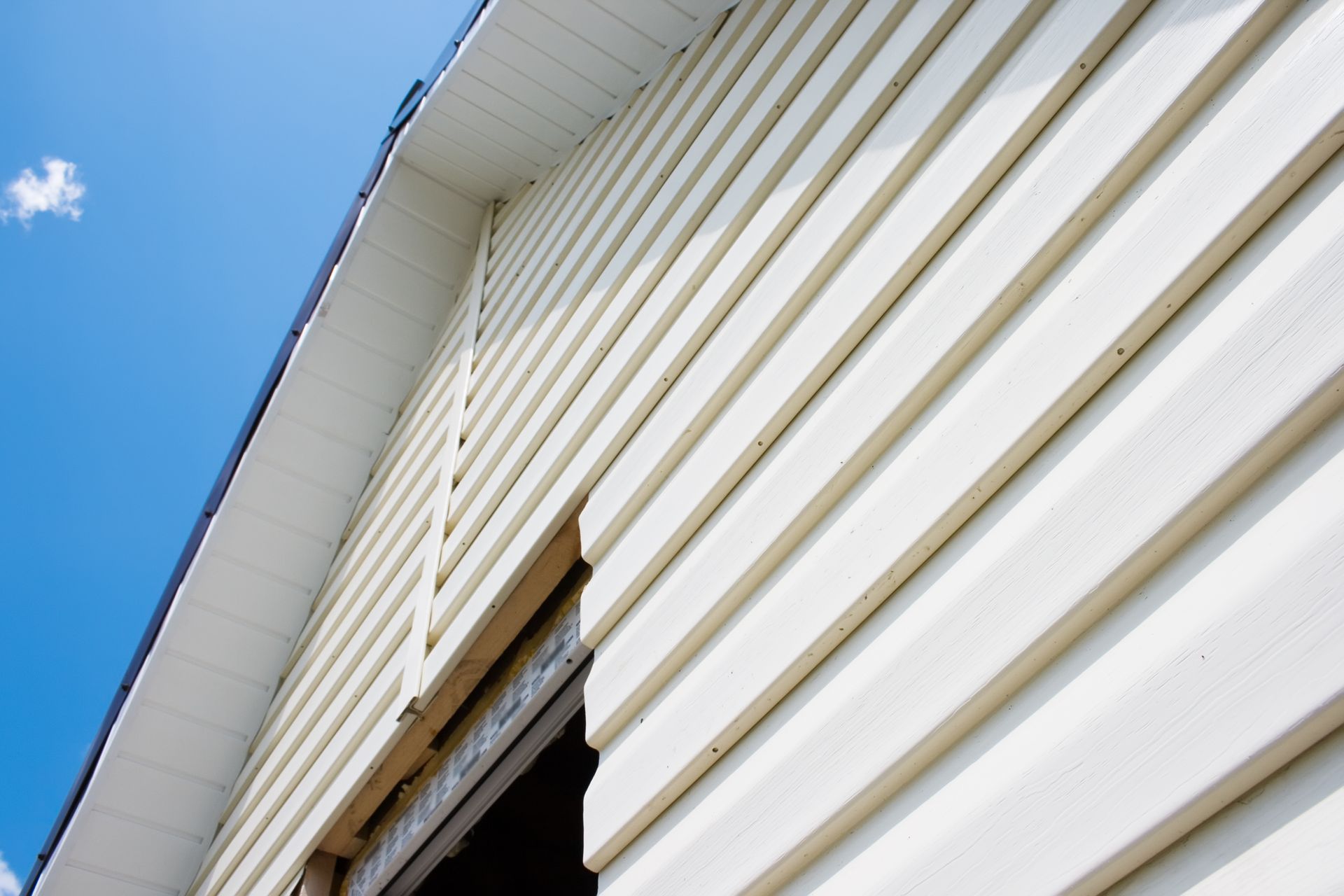
Partial Repairs That Match What Is Already There
Siding repair and replacement in Framingham for damaged boards, rot at the base, and loose corners on wood-clad homes
A damaged corner board, a rotted run at the foundation line, or a handful of split clapboards does not require pulling siding off an entire house. Many homes in the Framingham and Natick area were built as wood-clad structures where the siding profile and exposure are still available as replacement stock, which means a focused repair can address the actual damage without mismatching the rest of the facade. Peak Blue Services LLC repairs and replaces siding on homes in Framingham, working from a walkthrough of the affected areas to determine what can be patched, what needs to be cut out and replaced, and what requires full panel work.
Every repair starts with identifying the extent of the damage rather than assuming the visible surface tells the whole story. Rot at the base of a clapboard run often extends behind the bottom course, where it contacts the water table trim or the foundation, and cutting to dry wood sometimes means going further back than the surface inspection suggested. The crew matches profile, color, and exposure to the existing siding wherever possible, and prices the job by the area affected rather than applying a whole-house scope to a localized problem.
Schedule a walkthrough of the affected sections so the repair scope can be confirmed against what is actually failing before any work begins.
What Proper Siding Repair Requires
Cutting to dry wood is the non-negotiable step in any siding repair that involves rot. Boards that are sistered or patched against still-damp substrate will fail again within a few seasons, and the pattern on older wood-clad homes in the Framingham area is that the rot source is usually at a joint, a window sill, or a bottom course where water has been running behind the surface for longer than the visible damage suggests. Peak Blue Services LLC scopes the repair from that starting point, cutting back to sound material before any new board or panel is set.
After the repair is complete, the replaced boards sit flush with the surrounding courses at consistent exposure, the corner trim is solid without the soft spots or paint bubbling that signals moisture behind it, and fasteners are set at the correct nailing line for the profile rather than face-nailed through the weather surface. On painted siding, the repair area is primed before it leaves the job site so the new wood does not sit exposed while a paint appointment is scheduled.
Where color matching is involved, the crew works from the existing profile and exposure measurement to identify replacement stock that aligns with what is there. An exact color match on weathered painted siding is not always achievable without a full section repaint, and that is something the crew can discuss during the walkthrough rather than after the boards are already in.
Answers About How the Work Is Done
Siding repairs on older wood-clad homes in Framingham raise practical questions about how far back a repair has to go and what the finished section will look like. The following addresses how those decisions are made on the job.
How does the crew determine whether a board can be patched or has to be cut out completely?
The board is probed along its length to find where solid wood begins. If the rot is confined to a short section and the surrounding material is dry and structurally sound, a cut-and-splice is appropriate. A board that is soft across most of its run is removed in full.
What causes rot to reappear in the same location after a siding repair?
Reoccurring rot in the same section almost always traces to an unresolved moisture source: a failed caulk joint at a window or door, an inadequate drip edge above a horizontal trim piece, or a gutter that is depositing water against the wall. Replacing the board without addressing the source produces the same result.
How is replacement siding matched to what is already on the house?
The crew measures the existing profile width and exposure, identifies the product type, and sources replacement stock from that profile. On older homes in the Framingham area, wood clapboard profiles are commonly available, though weathered paint color requires separate treatment after installation.
When should a homeowner consider section replacement rather than individual board repair?
When several adjacent boards are damaged, when the sheathing behind them has been compromised, or when the nailing surface itself has deteriorated, replacing a full section from corner to corner produces a more stable result than splicing multiple boards across the same run.
Why does the nailing line matter on a clapboard repair?
Nailing through the face of a clapboard rather than at the top nailing flange causes the board to split as the wood moves seasonally and drives water directly through the fastener hole. Correct installation nails through the upper nailing zone, which the lap from the course above then covers.
Peak Blue Services LLC also performs siding repair and replacement in Natick, Ashland, Sherborn, Wayland, and Boston. To confirm what is failing and what the repair will involve on your home, set up a walkthrough with Peak Blue Services LLC so the scope is based on what the crew finds rather than what the surface shows.